Can a Vertical Garden Cut Your Grocery Bill?
Food prices are climbing — and it’s something most Australians are feeling week to week.
👉 Fresh produce, especially herbs and greens, adds up quickly.
That’s why more people are starting to ask:
Is growing your own actually cheaper?
💰 Where the Savings Actually Come From
It’s not about replacing your entire grocery shop overnight.
👉 It’s about cutting the things you buy most often.
Think:
- Herbs (basil, parsley, coriander)
- Leafy greens (lettuce, spinach)
- Small veg (tomatoes, strawberries)
👉 These are the items people rebuy constantly — and they’re easy to grow.
With a vertical system, you can harvest regularly instead of repurchasing.
🌱 Why Vertical Gardens Make It Work
Traditional gardening can take space, time, and setup.
Vertical systems simplify that:
- Grow more in a small area
- Keep everything organised
- Harvest continuously
👉 Which makes it easier to actually stick with.
If you’re new, check the Beginner Hydroponic Growing Guide
📊 What You Can Realistically Save
Savings depend on what you grow — but here’s where people notice it most:
- Herbs: often replaced weekly → now always available
- Lettuce: constant harvest instead of buying heads
- Strawberries: high cost in stores, easy to grow at home
👉 Over time, these small savings add up.
It’s less about one big saving — and more about consistent reductions.
🏡 Adapting to Your Climate (This Matters More Than People Think)
Australia’s climate varies a lot — and so does what you grow.
👉 The key is rotating crops based on conditions.
- Hot areas → choose heat-tolerant plants
- Cooler seasons → switch to leafy greens
- Limited sunlight → grow shade-tolerant crops lower in the stack
👉 This flexibility is what keeps the system productive year-round.
For small-space setups, explore Best Hydroponic Systems for Small Spaces.
💬 Real Customer Experience
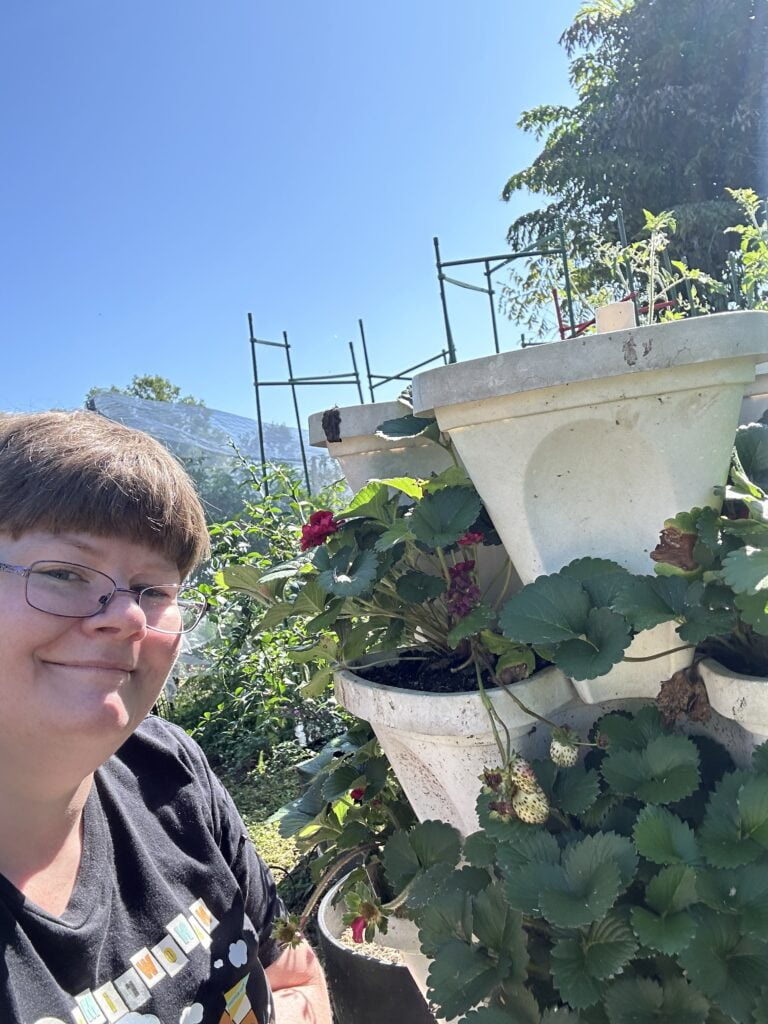
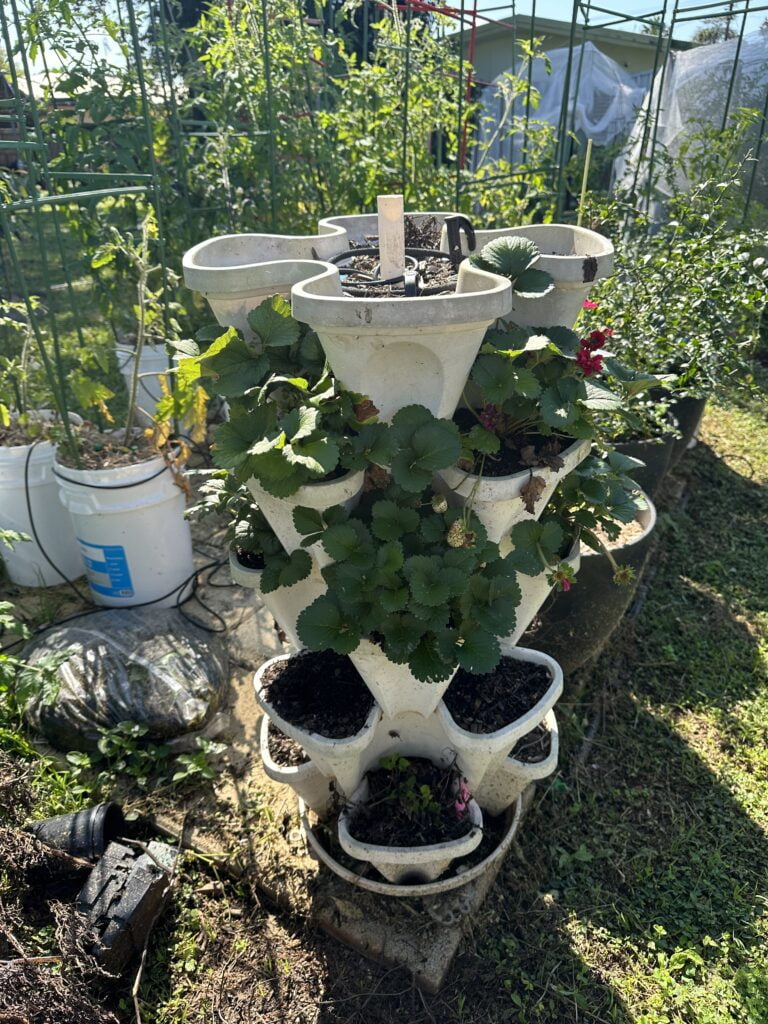
My 5 tier garden grows multiple things throughout the year. In FNQ year round lettuce and strawberries are impossible so it’s a constant process of letting something grow, harvest it, grow the next seasonal thing. When it’s not growing food crops it’s growing medicinal herbs and flowers for the bees.
I have mine irrigated with slow drip coils to ensure it remains hydrated in the hot dry environment. In the rainy season it’s not needed.
At the moment I am growing strawberries in mine and have harvested the lettuces from other tiers. New plants are about to go in. Everlasting daisies on the top tier, micro tomatoes further down.
If you don’t have adequate sunlight, grow things that prefer the shade further down the stack. Anything that wants a lot of sun sun, up top.
-Tash, White Rock, QLD
👉 Want to see more real setups and tips? Check out: See More Testimonials
Or explore the system here: Mr Stacky Vertical Garden Systems- mrstacky.com.au
🧾 Final Thought
A vertical garden won’t replace your entire grocery bill overnight.
👉 But it will reduce the things you buy most often.
- Fresh herbs on demand
- Ongoing harvests
- Less waste
And over time…
👉 That adds up more than most people expect.

About the Author
Mr Stacky is the leader in Tower Garden Systems in Australia, specializing in commercial hydroponic farming, urban farming & residential vertical gardening.
Find out how he can help you achieve your food production goals. Contact Brian